The Next Industrial Move: Why Malaysia Is Emerging as a Strategic Investment Destination
For international businesses exploring industrial expansion in Southeast Asia, Malaysia offers an established industrial ecosystem, strong international trade connections and a supportive investment environment. From manufacturing and advanced processing to technology-driven industries, the country provides a strategic foundation for companies looking to establish or expand their regional operations.

An Established Manufacturing Base
Malaysia's manufacturing industry spans electronics, chemicals, aerospace, machinery, transport equipment and food processing. Its electrical and electronics (E&E) industry has evolved since the 1970s into an ecosystem covering semiconductors and industrial electronics, while aerospace manufacturing includes aerostructures, engine components and composites. This industrial breadth gives incoming manufacturers access to established sectors, potential supply-chain partners and technical expertise. Business English and a legal framework influenced by English common law further support international business operations.
Investor interest reinforces this foundation. Malaysia recorded RM426.7 billion in approved investments in 2025, up 11% from 2024. Manufacturing contributed RM131.3 billion across 1,354 projects, including RM100.6 billion in foreign investment. As of February 2026, MIDA was overseeing 172 pipeline projects worth RM29.1 billion, alongside RM65.5 billion in investment leads under negotiation.
Sources: MIDA — Investment Performance 2025, E&E Industry, Aerospace, A Land of Opportunities, Malaysian Judiciary, MIDA — 2025 investment results
Trade Agreements Support International Market Access
Malaysia's extensive trade network strengthens its position as a base for international manufacturing. Participation in RCEP and CPTPP creates opportunities for preferential tariffs on qualifying products, supporting access to major regional and international markets. Bilateral agreements with Japan, India, Australia, Türkiye and the United Arab Emirates further expand its trade connections.
For export-oriented businesses, this network provides opportunities to structure production and distribution around multiple customer markets. Combined with Malaysia's established industrial capabilities, these trade relationships strengthen its appeal as a regional operational base.
Sources: MITI — RCEP, CPTPP, Free Trade Agreements, MITI — Tariff and origin documents
Manufacturing Talent and International Shipping Connections
Malaysia's established manufacturing sector is supported by a substantial workforce, with 2.41 million filled manufacturing jobs recorded in Q1 2026. This reflects the scale of industrial activity already taking place in the country and provides a foundation for building production teams as operations expand.
Port Klang, located along the Strait of Malacca, handled approximately 15.14 million TEUs in 2025, placing it among the world's ten busiest container ports. Through its Westports and Northport terminals, the port provides international container services supported by road and rail connections to industrial regions across Peninsular Malaysia. The Port of Tanjung Pelepas provides additional container services linking Malaysia to overseas destinations. For export-oriented investors, this established logistics network supports the movement of raw materials, components and finished products between manufacturing facilities and international markets.
Sources: DOSM — Employment statistics Q1 2026, Lloyd's List — Port Klang, 2026, Ministry of Transport — Port Operations, Westports — Port Connectivity
How Three Manufacturers Chose Malaysia
Malaysia's appeal is also reflected in historical investor accounts published by MIDA. Across different industries, manufacturers have selected the country to support production, international market access and long-term business development.
Food Ingredients Manufacturer
In a January 2022 account, Stern-Wywiol Gruppe's food ingredients operation described serving more than 30 countries from Malaysia. CEO Torsten Wywiol highlighted customer proximity, shorter delivery times and logistics efficiency, supported by access to Singapore-based teams and Tanjung Pelepas port. The account also noted the role of halal certification planning in supporting its operations.
Advanced Materials Manufacturer
An advanced materials manufacturer evaluated 11 sites across four Southeast Asian countries before selecting Gebeng Industrial Estate in Pahang. Its decision reflected Malaysia's combination of raw material availability, workforce capabilities, logistics and regional market access, demonstrating the country's appeal for advanced industrial production.
Pharmaceutical Manufacturer
An oncology medicines manufacturer considered Thailand and Indonesia before choosing Malaysia, citing infrastructure, skilled workers, ease of operation and local authority support. Its investment supported regional expansion and ambitions to supply regulated markets.
Although these manufacturers operate in different industries, their experiences highlight how Malaysia's industrial capabilities, international connections and business environment can support different expansion strategies.
Sources: MIDA — Food ingredients investor account, MIDA — Advanced materials investor account, MIDA — Pharmaceutical investor account
Industrial Policy Supports Higher Value Manufacturing
Malaysia's New Industrial Master Plan 2030, launched in September 2023, builds on the country's established industrial strengths by promoting more sophisticated manufacturing, stronger domestic supply chains and deeper participation in global value chains. For international businesses investing in technology-driven and higher-value industrial activities, this direction reinforces Malaysia's long-term commitment to industrial development.
Sources: MITI — NIMP 2030 launch, NIMP 2030 — Missions
Investment Facilitation and Manufacturing Incentives
Malaysia offers established investment facilitation through MIDA. The agency supports manufacturers navigating investment approvals, including manufacturing licence applications for companies meeting the applicable thresholds of RM2.5 million in shareholders' funds or 75 full-time paid employees.
Malaysia's New Incentive Framework, introduced for new manufacturing incentive applications from 1 March 2026, supports the country's focus on higher-value investment. Its outcome-based approach recognises qualifying projects that contribute to technology development, employment quality, supply-chain growth and sustainability.
Sources: MIDA — Approvals and licensing, MIDA — New Incentive Framework FAQ
Choosing a Location Within Malaysia
Turning these advantages into a long-term investment begins with choosing the right location. Explore why investors are considering Perak, how SVTP supports industrial and technology investment, and when to begin planning an investment at SVTP.
MIDA and InvestPerak also provide investment facilitation and information on available programmes (InvestPerak — Investment facilitation).
DISCOVER SVTP
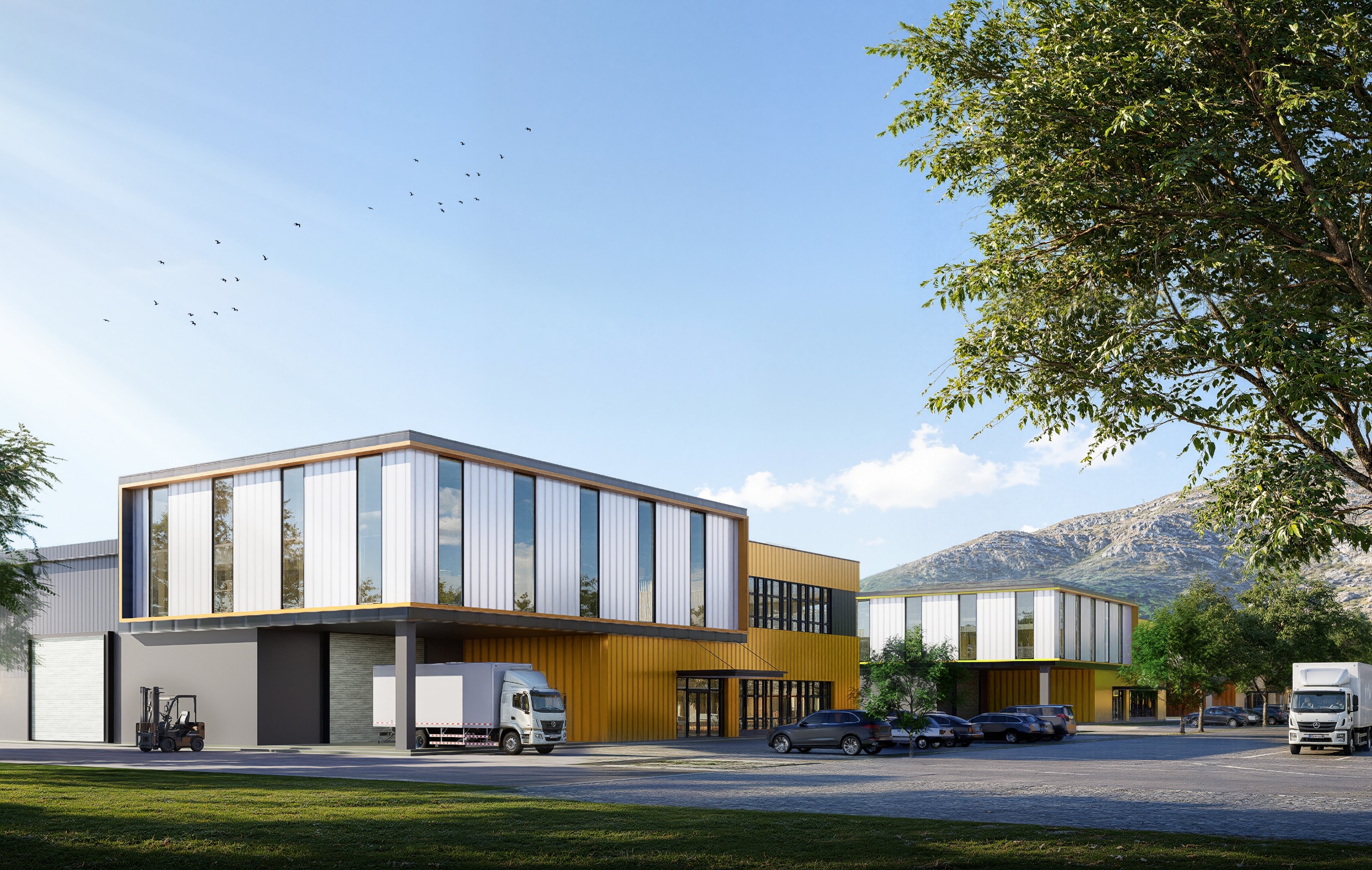
SVTP provides industrial land, infrastructure, and sector-focused development in Perak — building on Malaysia’s established industrial strengths.
"/><stop offset="1" stop-color="rgb(135, 87, 58)"/></linearGradient><linearGradient id="tSb5SmsnM-491093528-linear-gradient" x1="0.49748743718592964" x2="0.5025125628140703" y1="1" y2="0"><stop offset="0" stop-color="rgb(248, 209, 68)"/><stop offset="1" stop-color="rgb(249, 174, 62)"/></linearGradient><linearGradient id="pbm3drmXK-491093528-linear-gradient" x1="0.49748743718592964" x2="0.5025125628140703" y1="1" y2="0"><stop offset="0" stop-color="rgb(54, 39, 103)"/><stop offset="1" stop-color="rgb(146, 43, 143)"/></linearGradient></defs><path d="M 11.435 29.973 C 10.744 29.248 9.522 27.411 8.917 26.552 C 7.573 24.676 6.238 22.793 4.913 20.904 L 1.729 16.444 C 1.266 15.795 0.301 14.514 0 13.864 C 0.123 13.572 1.295 12.427 1.583 12.114 C 4.388 9.072 7.298 6.104 10.18 3.134 C 10.704 2.594 12.792 0.209 13.308 0 L 13.365 0.056 C 13.414 0.375 13.333 0.791 13.31 1.126 L 13.082 4.208 C 12.931 6.302 12.87 8.394 12.706 10.487 C 12.599 11.854 12.51 13.218 12.48 14.589 C 14.723 16.085 16.894 17.71 19.103 19.252 C 19.814 19.748 21.269 20.862 21.977 21.258 C 22.539 21.723 23.167 22.139 23.765 22.564 C 24.16 22.846 24.604 23.24 24.997 23.492 C 24.479 23.899 22.13 25.035 21.478 25.259 C 20.92 25.637 11.958 29.931 11.574 30.009 C 11.547 30.014 11.488 29.999 11.459 29.996 Z" fill="rgb(121, 102, 81)" height="30.00995750043116px" id="id_8T8Yjv" transform="translate(0.246 3.449)" width="24.99672780487805px"/><path d="M 0 15.383 C 0.339 12.461 0.376 9.347 0.618 6.396 C 0.793 4.254 0.798 2.165 1.045 0 C 3.288 1.495 5.459 3.121 7.668 4.662 C 8.379 5.159 9.834 6.273 10.542 6.668 C 11.104 7.134 11.733 7.55 12.33 7.975 C 12.725 8.257 13.17 8.65 13.562 8.903 C 13.045 9.31 10.695 10.446 10.043 10.669 C 9.486 11.047 0.523 15.341 0.14 15.419 C 0.113 15.425 0.053 15.41 0.024 15.407 Z" fill="url(%23hQ0XKvpgp-491093528-linear-gradient)" height="15.420494085797017px" id="hQ0XKvpgp" transform="translate(11.681 18.039)" width="13.561990243902436px"/><path d="M 1.324 1.808 C 2.056 1.639 3.336 1.581 4.125 1.514 L 8.871 1.083 L 17.26 0.313 C 18.365 0.214 19.844 -0.055 20.927 0.01 C 21.386 0.965 21.648 2.257 21.939 3.277 L 23.518 8.797 C 24.215 11.237 24.989 13.654 25.642 16.104 C 25.893 17.048 26.144 17.628 26.328 18.656 C 25.922 18.262 24.765 17.58 24.244 17.247 C 23.382 16.687 22.523 16.121 21.67 15.548 L 16.034 11.75 C 15.695 11.524 14.243 10.532 13.987 10.431 C 13.731 10.571 13.429 10.726 13.163 10.846 C 9.37 12.558 5.612 14.344 1.814 16.049 C 1.208 16.321 0.633 16.593 0.001 16.8 C -0.01 15.762 0.139 14.322 0.23 13.269 L 0.699 7.928 C 0.867 6.054 0.897 3.906 1.154 2.015 C 1.17 1.9 1.235 1.879 1.324 1.808 Z" fill="rgb(246, 210, 75)" height="18.655610343553587px" id="rfU5d_oyU" transform="translate(15.273 0.379)" width="26.327735207163308px"/><path d="M 0.001 14.992 C -0.01 13.954 0.139 12.513 0.23 11.461 L 0.699 6.119 C 0.867 4.246 0.897 2.098 1.154 0.206 C 1.17 0.092 1.235 0.07 1.324 0 C 1.74 0.478 4.082 1.952 4.753 2.401 C 6.953 3.887 9.161 5.361 11.377 6.821 C 11.837 7.12 13.688 8.266 13.987 8.622 C 13.731 8.763 13.429 8.918 13.163 9.038 C 9.37 10.749 5.612 12.536 1.814 14.24 C 1.208 14.513 0.633 14.785 0.001 14.992 Z" fill="url(%23tSb5SmsnM-491093528-linear-gradient)" height="14.991980487804877px" id="tSb5SmsnM" transform="translate(15.273 2.188)" width="13.986857158382811px"/><path d="M 14.809 0 C 15.188 0.171 15.976 0.786 16.362 1.062 C 17.243 1.69 18.307 2.349 19.137 3.029 C 20.007 3.687 21.04 4.378 21.942 5.012 L 25.402 7.465 C 25.867 7.788 26.572 8.287 27.078 8.601 C 27.088 8.64 27.097 8.673 27.104 8.701 L 27.074 8.748 C 26.935 9.557 25.357 12.519 24.96 13.398 C 24.331 14.789 23.576 16.285 22.915 17.675 L 19.667 24.517 C 19.332 25.212 18.972 26.077 18.628 26.727 C 17.67 26.376 16.36 26.123 15.351 25.882 L 8.968 24.386 L 2.642 22.878 C 1.959 22.718 0.637 22.337 0 22.274 C 1.029 21.622 2.663 20.857 3.799 20.288 L 10.125 17.122 C 10.745 16.812 12.708 15.909 13.133 15.605 C 13.246 14.086 13.441 12.72 13.583 11.241 C 13.704 9.943 13.842 8.647 13.998 7.352 C 14.064 6.763 14.097 6.145 14.19 5.566 C 14.342 4.743 14.395 3.744 14.473 2.903 C 14.572 1.934 14.684 0.966 14.809 0 Z" fill="rgb(146, 43, 143)" height="26.727434146341466px" id="HZtJV7O7y" transform="translate(14.709 13.176)" width="27.104136585365858px"/><path d="M 1.675 0 C 2.055 0.171 2.843 0.786 3.229 1.062 C 4.109 1.69 5.174 2.349 6.004 3.029 C 6.874 3.687 7.907 4.378 8.808 5.012 L 12.269 7.465 C 12.734 7.788 13.438 8.287 13.944 8.601 C 13.955 8.64 13.963 8.673 13.971 8.701 L 13.941 8.748 C 13.503 8.851 12.074 9.633 11.596 9.861 C 9.304 10.976 7.024 12.115 4.757 13.278 C 3.822 13.765 0.899 15.326 0 15.605 C 0.112 14.086 0.308 12.72 0.45 11.241 C 0.571 9.943 0.709 8.647 0.865 7.352 C 0.931 6.763 0.964 6.145 1.056 5.566 C 1.208 4.743 1.261 3.744 1.339 2.903 C 1.439 1.934 1.551 0.966 1.675 0 Z" fill="url(%23pbm3drmXK-491093528-linear-gradient)" height="15.604897560975616px" id="pbm3drmXK" transform="translate(27.843 13.176)" width="13.970731707317086px"/><path d="M 0.985 0.026 C 1.094 0.02 1.204 0.017 1.313 0.015 L 6.85 0.007 C 8.453 0.006 10.21 -0.06 11.782 0.236 C 12.543 0.392 13.41 0.686 13.964 1.246 C 15.051 2.348 15.211 4.802 14.036 5.885 C 12.337 7.452 9.346 7.207 7.197 7.2 C 6.195 7.204 5.054 7.231 4.066 7.189 C 4.194 8.25 3.862 10.31 4.186 11.386 C 4.269 11.664 4.658 11.54 4.839 11.882 L 4.733 11.969 C 4.202 12.081 0.504 12.122 0.032 11.95 L 0.013 11.861 C 0.232 11.694 0.503 11.609 0.691 11.418 C 1.055 11.049 0.932 10.432 0.929 9.95 L 0.927 7.742 C 0.928 5.544 0.941 3.33 0.906 1.132 C 0.893 0.283 0.311 0.635 0.001 0.351 C 0.001 0.182 -0.019 0.244 0.102 0.11 C 0.329 0.008 0.722 0.029 0.985 0.026 Z M 4.06 5.035 C 5.379 5.028 6.698 5.03 8.018 5.039 C 9.218 5.042 10.195 5.182 11.301 4.641 C 11.782 4.001 11.887 3.436 11.448 2.72 C 10.349 1.979 8.836 2.257 7.572 2.208 C 6.439 2.163 5.188 2.292 4.065 2.202 C 4.126 3.034 4.064 4.168 4.06 5.035 Z" fill="rgb(254, 254, 254)" height="12.066488996696036px" id="CQI0ftPab" transform="translate(103.875 13.928)" width="14.850783280829045px"/><path d="M 5.855 0.041 L 5.89 0.036 C 6.943 -0.12 9.574 0.268 10.646 0.567 C 11.232 0.73 11.913 0.946 12.512 1.1 C 12.849 1.186 13.431 1.013 13.706 1.217 C 13.773 1.545 12.164 3.843 11.857 4.201 C 11.733 4.038 11.392 3.584 11.256 3.46 C 10.175 2.467 8.003 2.073 6.556 2.106 C 5.914 2.056 3.741 2.382 3.38 2.963 C 2.277 4.983 7.068 4.784 8.083 4.883 C 10.31 5.1 13.744 5.231 13.917 8.177 C 14.096 11.203 10.495 12.094 8.035 12.203 C 5.374 12.35 3.335 12.21 0.875 11.213 C 0.597 11.1 0.188 11.494 0 11.152 C 0.038 10.588 1.092 8.757 1.463 8.302 C 1.566 8.43 1.946 8.968 2.02 9.016 C 3.669 10.099 6.1 10.439 8.03 10.233 C 8.849 10.091 10.173 9.797 10.705 9.113 C 11.024 8.704 10.611 8.059 10.146 7.867 C 9.264 7.505 8.495 7.571 7.594 7.488 C 5.228 7.27 0.685 7.604 0.111 4.511 C -0.039 3.701 0.137 2.749 0.65 2.091 C 1.92 0.464 3.986 0.326 5.855 0.041 Z" fill="rgb(254, 254, 254)" height="12.252281702721383px" id="Ky69fp9bj" transform="translate(52.008 13.783)" width="13.923854745415241px"/><path d="M 8.367 8.639 C 8.768 7.734 9.295 6.894 9.747 6.01 C 10.59 4.352 11.584 2.765 12.405 1.102 C 12.628 0.65 12.246 0.52 11.939 0.293 L 11.957 0.201 C 12.315 -0.033 16.22 -0.07 16.499 0.15 C 16.532 0.565 15.923 0.527 15.666 0.982 C 15.416 1.423 15.191 1.857 14.959 2.308 C 14.03 4.269 12.794 6.24 11.825 8.198 C 11.313 9.234 10.668 10.236 10.15 11.285 C 10.228 11.527 10.291 11.776 10.356 12.022 C 9.297 12.138 7.675 12.035 6.565 12.063 C 6.368 12.068 6.331 12.038 6.233 11.922 C 6.184 11.564 6.575 11.494 6.339 11.04 C 6.056 10.498 5.76 9.963 5.469 9.426 L 3.705 6.156 L 1.976 2.933 C 1.613 2.256 1.146 1.224 0.598 0.67 C 0.437 0.508 0.139 0.559 0 0.244 L 0.083 0.157 C 0.368 0.022 0.717 0.041 1.036 0.035 C 1.82 -0.032 3.651 0.006 4.496 0.072 C 4.624 0.082 4.688 0.19 4.742 0.288 C 4.657 0.46 4.45 0.553 4.264 0.691 C 4.192 1.114 5.4 3.156 5.656 3.627 C 6.579 5.288 7.482 6.958 8.367 8.639 Z" fill="rgb(254, 254, 254)" height="12.078536878224927px" id="N7AjG0RNX" transform="translate(68.449 13.916)" width="16.500006136411628px"/><path d="M 13.357 0.582 C 13.611 0.348 13.699 0.097 14.072 0.084 L 14.176 0.206 C 14.262 0.529 14.247 2.946 14.173 3.291 C 13.969 3.336 13.408 2.859 13.232 2.846 C 11.728 2.739 10.208 2.868 8.7 2.804 C 8.76 4.334 8.712 6.267 8.711 7.826 C 8.711 9.188 8.679 10.701 8.731 12.05 C 8.958 12.169 9.056 12.219 9.262 12.379 L 9.272 12.482 L 9.196 12.56 C 8.752 12.685 5.452 12.711 5.132 12.589 L 5.082 12.454 C 5.127 12.269 5.338 12.137 5.494 12.011 C 5.623 11.06 5.588 9.992 5.588 9.022 L 5.583 4.96 C 5.581 4.487 5.529 3.222 5.589 2.821 C 4.077 2.799 2.511 2.767 1.007 2.853 C 0.747 2.868 0.539 3.456 0.127 3.28 C -0.04 2.955 -0.057 0.242 0.164 0 C 0.672 0.124 0.62 0.53 1.155 0.574 C 1.8 0.627 2.452 0.611 3.1 0.612 L 6.31 0.614 C 8.414 0.614 11.309 0.699 13.357 0.582 Z" fill="rgb(254, 254, 254)" height="12.668318298010966px" id="quNCH7114" transform="translate(86.549 13.327)" width="14.235082134745483px"/></svg>)
